Abderrahmane Nabgui, Ph.D.

I investigate how nanomaterials interact with living organisms in terrestrial ecosystems, from their synthesis and characterization to their environmental fate and ecotoxicological effects. My research integrates experimentation, molecular dynamics, machine learning, and environmental modeling. J’étudie comment les nanomatériaux interagissent avec les organismes vivants dans les écosystèmes terrestres, de leur synthèse et caractérisation à leur devenir environnemental et à leurs effets écotoxicologiques. Mes recherches intègrent l’expérimentation, la dynamique moléculaire, l’apprentissage automatique et la modélisation environnementale.

About À propos

Nanomaterials–plant interactions through experimentation, nanoinformatics and computational simulations Interactions nanomatériaux–plantes par l’expérimentation, la nanoinformatique et les simulations computationnelles

I am a postdoctoral researcher at CNRS, based at GET (Géosciences Environnement Toulouse). My research focuses on how nanomaterials interact with plants, from their uptake and fate to their effects at the plant–environment interface. Je suis chercheur postdoctoral au CNRS, basé au GET (Géosciences Environnement Toulouse). Mes recherches portent sur la façon dont les nanomatériaux interagissent avec les plantes, de leur absorption et de leur devenir à leurs effets à l’interface plante–environnement.

I combine laboratory experimentation with computational approaches, including molecular dynamics and machine learning, to connect nanomaterial properties with their behaviour in living systems. Je combine l’expérimentation de laboratoire avec des approches computationnelles, notamment la dynamique moléculaire et l’apprentissage automatique, pour relier les propriétés des nanomatériaux à leur comportement dans les systèmes vivants.

Current focus Focus actuel At GET, I investigate the mechanisms governing the foliar uptake of nanomaterials. Using molecular dynamics simulations, I characterize particle behaviour at the leaf surface, including hydrophobicity, dissolution, and interfacial interactions. These nanodescriptors are then used as inputs for machine-learning models to predict nanomaterial uptake and translocation within plants. Au GET, j’étudie les mécanismes qui gouvernent l’absorption foliaire des nanomatériaux. Par des simulations de dynamique moléculaire, je caractérise le comportement des particules à la surface de la feuille, notamment l’hydrophobicité, la dissolution et les interactions d’interface. Ces nanodescripteurs servent ensuite d’entrées à des modèles d’apprentissage automatique pour prédire l’absorption et la translocation des nanomatériaux chez les plantes.

Research Recherche

Themes that shape my work Les thématiques qui structurent mon travail

Four connected lines of research, from terrestrial ecotoxicology and predictive modeling to molecular dynamics and chemical synthesis and characterization of nanomaterials. Quatre axes de recherche reliés, de l’écotoxicologie terrestre et la modélisation prédictive à la dynamique moléculaire et à la synthèse chimique et la caractérisation des nanomatériaux.

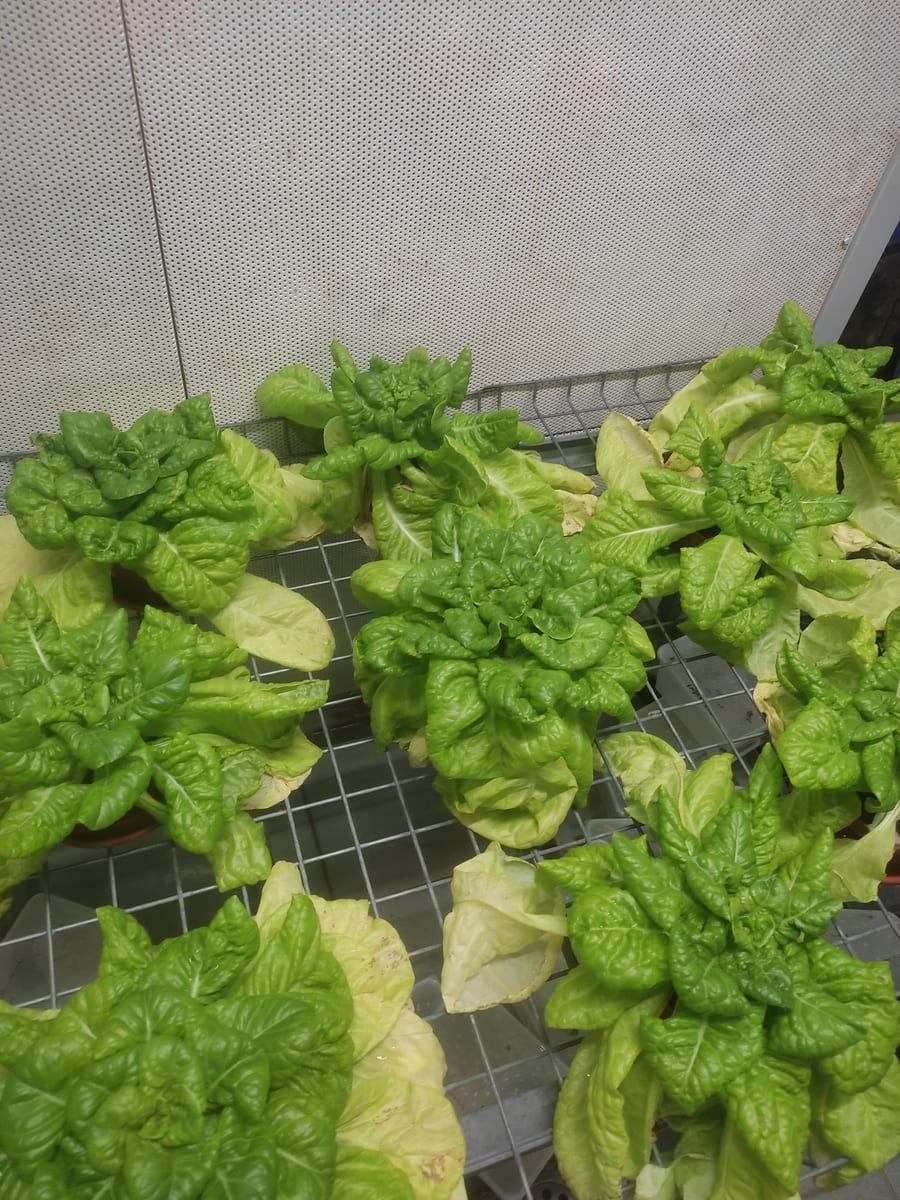
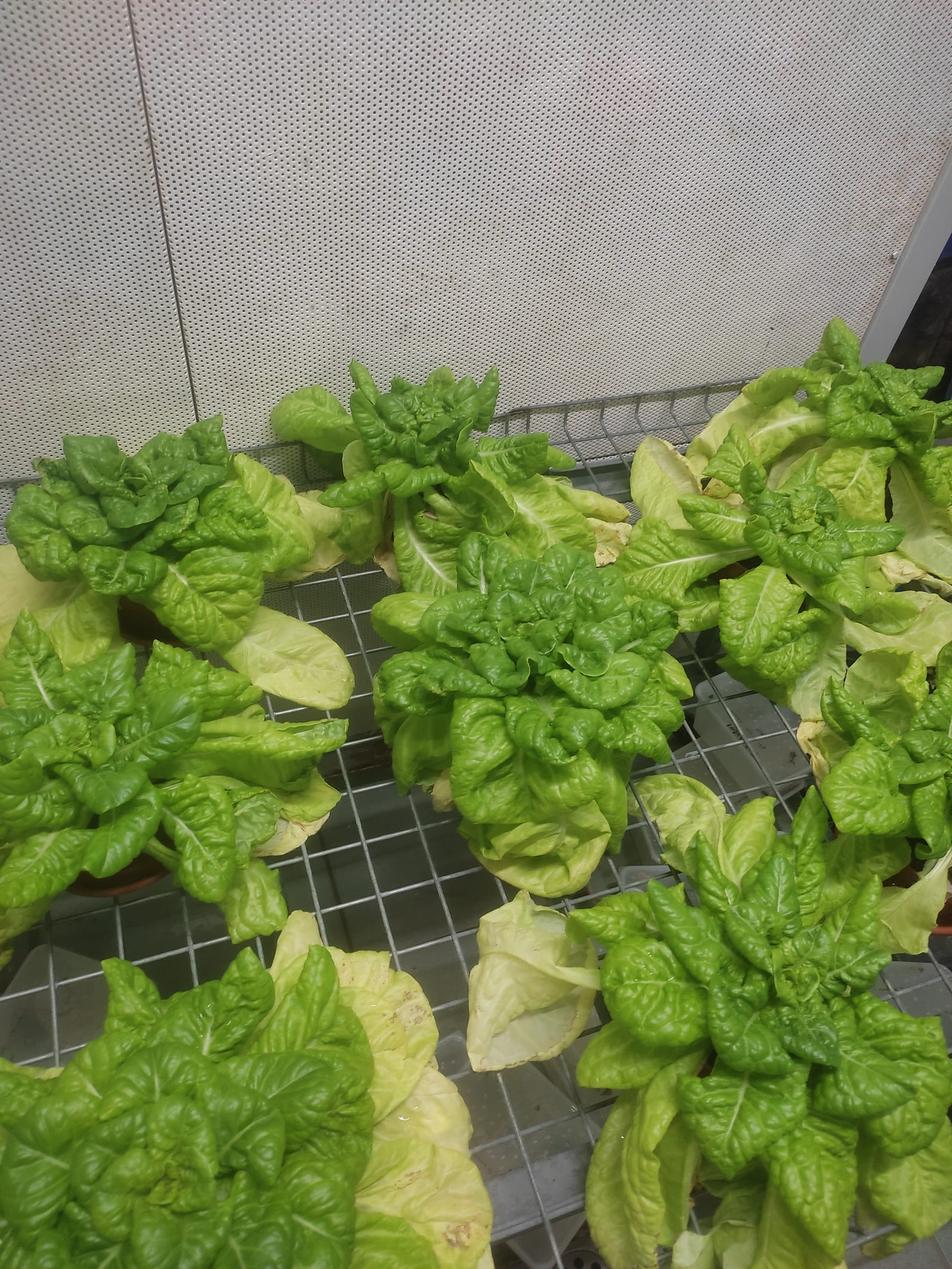
Lettuce grown in a controlled chamber for terrestrial ecotoxicology experiments

Ecotoxicology of nanomaterials Écotoxicologie des nanomatériaux

I study how nanomaterials are taken up, transformed, and transferred through terrestrial food chains. Experimental work has focused on soil–plant–snail systems and TiO₂ nanoparticle trophic transfer. This theme bridges laboratory ecotoxicology with environmental exposure scenarios. It informs both risk assessment and the design of safer nanomaterial applications. J’étudie comment les nanomatériaux sont absorbés, transformés et transférés dans les chaînes alimentaires terrestres. Les travaux expérimentaux ont porté sur les systèmes sol–plante–escargot et le transfert trophique de nanoparticules de TiO₂. Cette thématique relie l’écotoxicologie de laboratoire aux scénarios d’exposition environnementale. Elle éclaire à la fois l’évaluation des risques et la conception d’applications plus sûres des nanomatériaux.

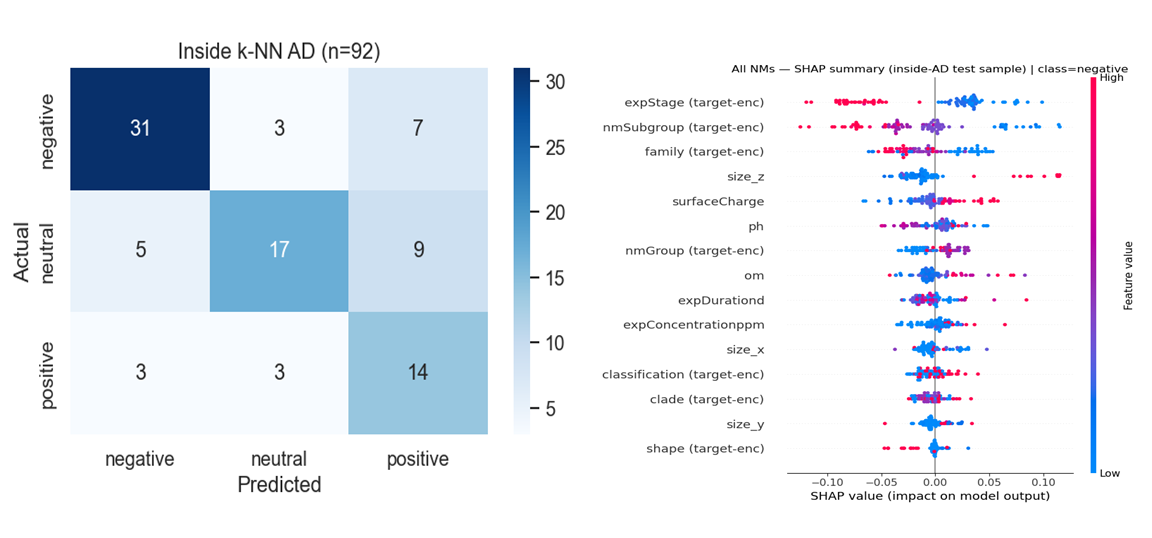
Machine-learning model for nanomaterials: confusion matrix and SHAP feature importance

Environmental modeling & machine learning Modélisation environnementale et apprentissage automatique

I model the effect and fate of nanomaterials in terrestrial environments using probabilistic Species Sensitivity Distributions (pSSD) and machine-learning approaches, including nanoQSAR. This work connects measured toxicity data and nanomaterial descriptors with uptake, effects, and ecosystem-level risk. Interpretable models help identify what drives nanomaterial behaviour in plants and soil organisms. Je modélise les effets et le devenir des nanomatériaux dans les environnements terrestres via des distributions de sensibilité des espèces probabilistes (pSSD) et l’apprentissage automatique, notamment des approches nanoQSAR. Ce travail relie les données de toxicité et les descripteurs des nanomatériaux à l’absorption, aux effets et au risque à l’échelle des écosystèmes. Des modèles interprétables aident à identifier les facteurs qui gouvernent le comportement des nanomatériaux chez les plantes et les organismes du sol.

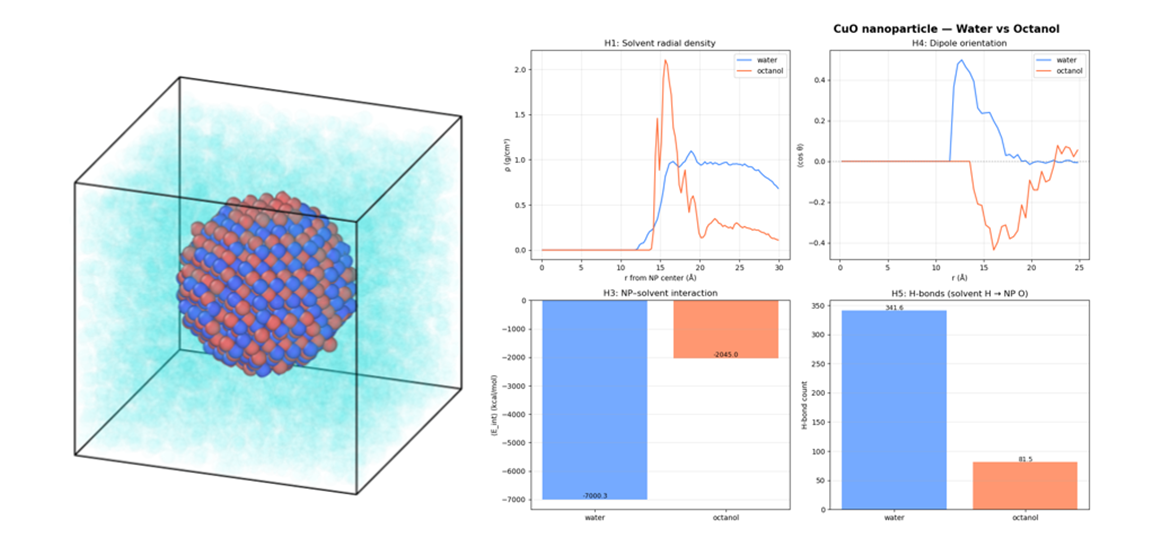
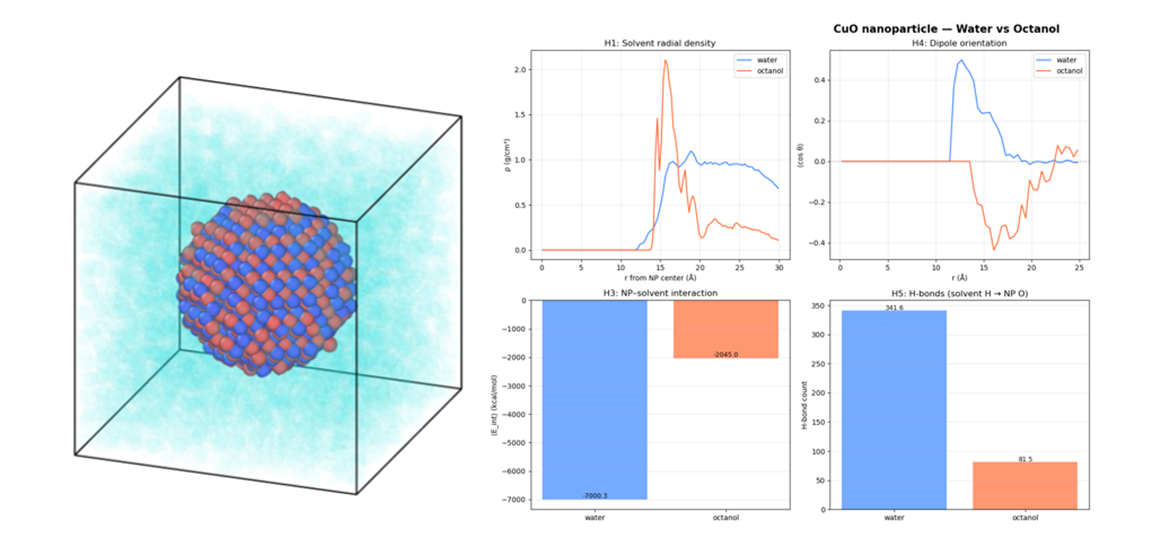
Molecular dynamics of a CuO nanoparticle in water versus octanol

Molecular dynamics characterization Caractérisation par dynamique moléculaire

I use molecular dynamics simulations (LAMMPS) to characterize nanomaterials at the atomic scale. Properties such as hydrophobicity, dissolution, and surface interactions are computed to explain uptake, internalization and translocation mechanisms. These simulations provide nanodescriptors that complement experimental data. They are especially relevant for understanding foliar uptake and nanomaterial–plant interfaces. J’utilise des simulations de dynamique moléculaire (LAMMPS) pour caractériser les nanomatériaux à l’échelle atomique. Des propriétés telles que l’hydrophobicité, la dissolution et les interactions de surface sont calculées pour expliquer les mécanismes d’absorption, d’internalisation et de translocation. Ces simulations fournissent des nanodescripteurs complémentaires aux données expérimentales. Elles sont particulièrement pertinentes pour comprendre l’absorption foliaire et les interfaces nanomatériaux–plantes.

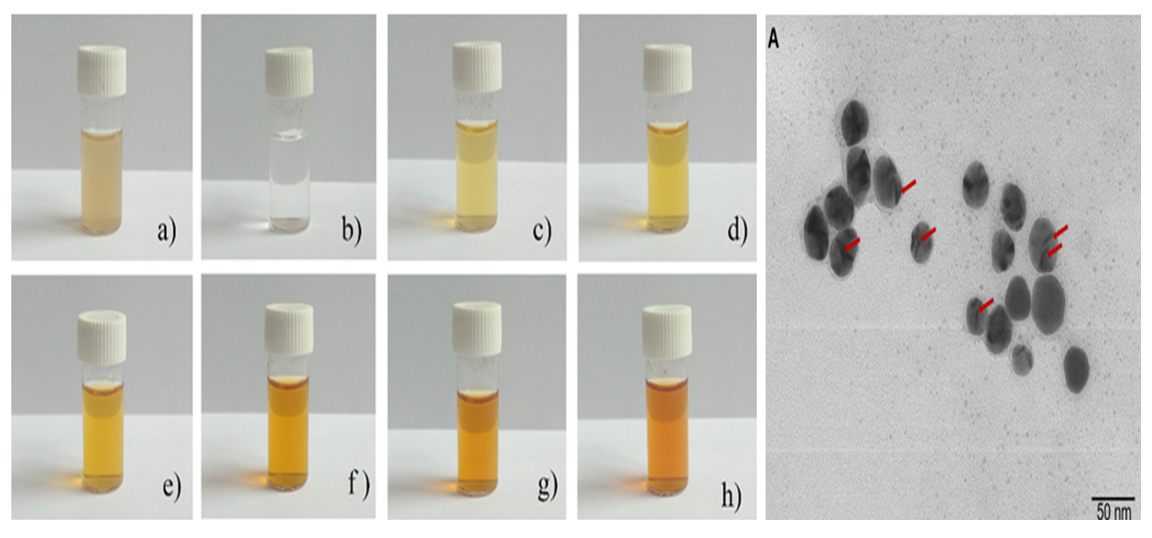
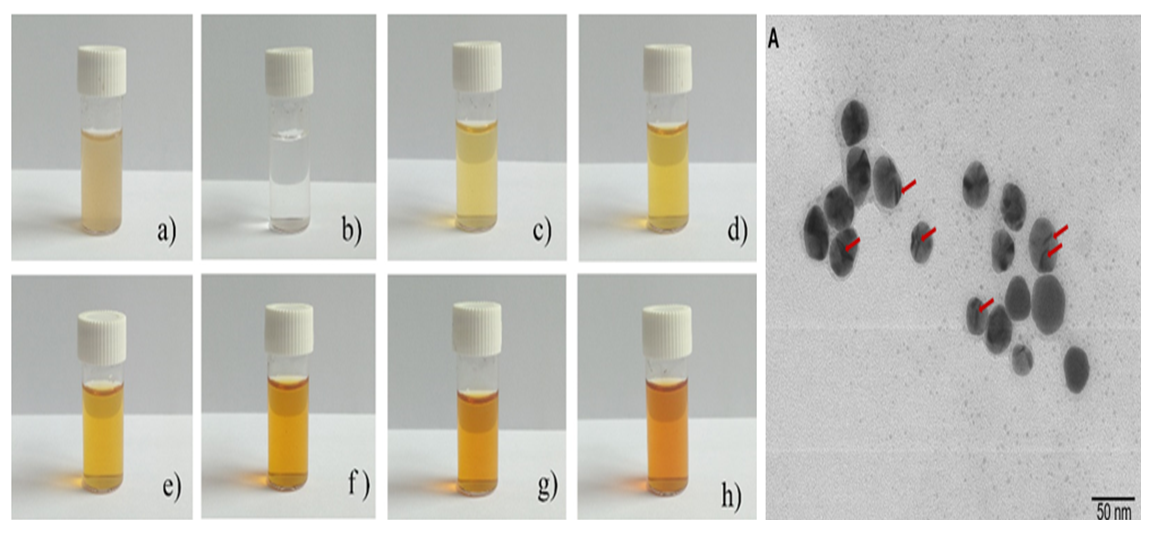
Green synthesis of silver nanoparticles: colour change in vials and TEM image

Green synthesis & characterization of nanomaterials Synthèse verte et caractérisation des nanomatériaux

I develop and study metallic nanoparticles through green synthesis routes, including plant-mediated biosynthesis. Colloidal stability, size distribution, and surface properties are characterized using techniques such as DLS, TEM, SEM, UV-Vis, and FTIR. This experimental foundation supports understanding how synthesis conditions affect nanomaterial behaviour. It also links material design to biological and environmental performance. Je développe et étudie des nanoparticules métalliques par des voies de synthèse verte, notamment la biosynthèse médiée par les plantes. La stabilité colloïdale, la distribution granulométrique et les propriétés de surface sont caractérisées par DLS, MET, MEB, UV-Vis et IRTF. Cette base expérimentale permet de comprendre l’effet des conditions de synthèse sur le comportement des nanomatériaux. Elle relie aussi la conception des matériaux aux performances biologiques et environnementales.

Trajectory Parcours

Research trajectory Trajectoire de recherche

Three stages — from nanomaterial design and characterization to terrestrial ecotoxicology and predictive modeling of plant uptake. Trois étapes — de la conception et caractérisation des nanomatériaux à l’écotoxicologie terrestre et la modélisation prédictive de l’absorption foliaire.

Molecular dynamics of a CuO nanoparticle in water versus octanol

Postdoctoral researcher Chercheur postdoctoral Oct 2025 – Present Oct. 2025 – Présent

Identification of nanomaterials foliar uptake drivers through predictive modeling Identification des facteurs d’absorption foliaire des nanomatériaux par modélisation prédictive

CNRS · Géosciences Environnement Toulouse CNRS · Géosciences Environnement Toulouse · Toulouse, France Toulouse, France

Project Projet

PI PI Dr Astrid Avellan Dr Astrid Avellan

I joined the ongoing LEAPHY project to investigate the uptake and fate of engineered nanomaterials (ENMs) following foliar application using computational approaches. My work involves building a dataset on ENM uptake from the literature and experiments conducted within the project, generating difficult-to-obtain descriptors through molecular dynamics simulations, such as hydrophobicity, dissolution, and diffusion capacity, and developing predictive machine learning models. These approaches are combined to identify the key factors driving ENM uptake and fate in plants and to provide mechanistic insights into their behaviour. I joined the ongoing LEAPHY project to investigate the uptake and fate of engineered nanomaterials (ENMs) following foliar application using computational approaches. My work involves building a dataset on ENM uptake from the literature and experiments conducted within the project, generating difficult-to-obtain descriptors through molecular dynamics simulations, such as hydrophobicity, dissolution, and diffusion capacity, and developing predictive machine learning models. These approaches are combined to identify the key factors driving ENM uptake and fate in plants and to provide mechanistic insights into their behaviour.

Lettuce grown in a controlled chamber for terrestrial ecotoxicology experiments

Postdoctoral researcher Chercheur postdoctoral Sep 2023 – Jun 2025 Sept. 2023 – Juin 2025

Ecotoxicology of nanomaterials in the terrestrial environment and Environmental modeling Écotoxicologie des nanomatériaux dans l’environnement terrestre et modélisation environnementale

CNRS · CRBE CNRS · CRBE · Toulouse, France Toulouse, France

Project Projet

PI PI Dr Camille Larue Dr Camille Larue

I joined the INPAGE project to investigate the ecotoxicity of nanomaterials in terrestrial environments, with a focus on their effects following trophic transfer. My experimental work assessed the uptake and effects of TiO₂ nanoparticles in a soil–lettuce–snail food chain, including impacts on growth, genotoxicity, and biomolecular markers. I joined the INPAGE project to investigate the ecotoxicity of nanomaterials in terrestrial environments, with a focus on their effects following trophic transfer. My experimental work assessed the uptake and effects of TiO₂ nanoparticles in a soil–lettuce–snail food chain, including impacts on growth, genotoxicity, and biomolecular markers.

My computational work focused on assessing the environmental risk of nanomaterials in European soils using probabilistic species sensitivity distributions, and applying machine learning to identify the key factors driving their toxicity. My computational work focused on assessing the environmental risk of nanomaterials in European soils using probabilistic species sensitivity distributions, and applying machine learning to identify the key factors driving their toxicity.

Green-synthesized nanoparticles: vials and TEM micrograph

Ph.D. Doctorat Jan 2018 – Nov 2022 Janv. 2018 – Nov. 2022

Development of biodegradable polymers and natural fillers-based nanocomposites for potential applications in active food packaging Développement de nanocomposites à base de polymères biodégradables et de charges naturelles pour des applications potentielles en emballage alimentaire actif

Cadi Ayyad University / Rouen Normandie University Université Cadi Ayyad / Université Rouen Normandie · Marrakech, Morocco / Rouen, France Marrakech, Maroc / Rouen, France

PI PI Dr Abdellatif El Meziane, Dr Mohammed Lahcini, and Dr Pascal Thébault Dr Abdellatif El Meziane, Dr Mohammed Lahcini et Dr Pascal Thébault

This thesis developed antibacterial nanobiocomposites based on biodegradable polymers for potential food packaging applications. Phyllosilicates were incorporated to enhance the mechanical, thermal, and barrier properties of the polymers, while AgNPs provided antibacterial activity. This thesis developed antibacterial nanobiocomposites based on biodegradable polymers for potential food packaging applications. Phyllosilicates were incorporated to enhance the mechanical, thermal, and barrier properties of the polymers, while AgNPs provided antibacterial activity.

The work also investigated the optimization and stability of biogenic AgNPs synthesized using rosemary extract. These AgNPs showed strong antibacterial activity at non-cytotoxic concentrations, with stabilization further enhancing their antibacterial performance without cytotoxicity toward mammalian fibroblasts. The work also investigated the optimization and stability of biogenic AgNPs synthesized using rosemary extract. These AgNPs showed strong antibacterial activity at non-cytotoxic concentrations, with stabilization further enhancing their antibacterial performance without cytotoxicity toward mammalian fibroblasts.

The developed materials and AgNPs were characterized using complementary techniques, including TGA, TEM, SEM, DLS, FTIR, XRD, UV-Vis spectroscopy, and SEC, to evaluate their structural, morphological, thermal, and physicochemical properties. The developed materials and AgNPs were characterized using complementary techniques, including TGA, TEM, SEM, DLS, FTIR, XRD, UV-Vis spectroscopy, and SEC, to evaluate their structural, morphological, thermal, and physicochemical properties.
LEAPHY

Fluorescence microscopy of a leaf surface, LEAPHY project
Dr Astrid Avellan Dr Astrid Avellan

Population growth and the expected-to-increase (a)biotic stresses due to climate change are putting the agro-ecosystems under pressure. The dependence on inorganic agrochemicals (IAs) for fertilization and plant protection will lead to an increase in their use. Yet, current IAs do not efficiently reach their target. They lead to waste of resources, pollutions, and environmental degradations. Foliar application of nanostructures is one of the proposed solutions to optimize IAs in order to better protect crops, but also their agro-ecosystem. Nano-IAs can exhibit reduced leaf leaching and increased bioavailability, allowing to strictly apply the right dose of IA. However, the lack of knowledge on IA behaviour at the leaf interface hinders our ability to predict optimized nanostructures. The LEAPHY project aims to establish a rationale for the design of such nano-IAs. Model nano-IAs with controlled morphologies and surface properties will be designed and exposed to isolated plant cells or model leaves characterized for their surface characteristics and interfacial functional groups. The pathways and associated rates of uptake, transformations, and in planta behaviour will be quantified. These results will be used to establish a predictive modeling framework for the biological and chemical interactions that govern IA adhesion, uptake, and translocation from leaves to other plant tissues and organs. This knowledge will be leveraged to design and test bio- and geo-inspired copper-based fertilizers and pesticides with improved delivery efficacy. The team’s expertise in tuning (in)organic reactivity at plant interfaces and studying the resulting interactions and speciation changes is the backbone of LEAPHY’s state-of-the-art experimental strategy. This project will be a cornerstone in implementing solutions to contribute to building a rationale for safe foliar phytoprotection and fertilization strategies. La croissance démographique et l’augmentation attendue des stress (a)biotiques liés au changement climatique mettent les agroécosystèmes sous pression. La dépendance aux agrochimiques inorganiques (IA) pour la fertilisation et la protection des plantes entraînera une hausse de leur usage. Or les IA actuels n’atteignent pas efficacement leur cible. Ils entraînent un gaspillage de ressources, des pollutions et des dégradations environnementales. L’application foliaire de nanostructures est l’une des solutions proposées pour optimiser les IA afin de mieux protéger les cultures, mais aussi leur agroécosystème. Les nano-IA peuvent présenter un lessivage foliaire réduit et une biodisponibilité accrue, permettant d’appliquer strictement la bonne dose d’IA. Toutefois, le manque de connaissances sur le comportement des IA à l’interface foliaire limite notre capacité à prédire des nanostructures optimisées. Le projet LEAPHY vise à établir une base rationnelle pour la conception de telles nano-IA. Des nano-IA modèles aux morphologies et propriétés de surface contrôlées seront conçues et exposées à des cellules végétales isolées ou à des feuilles modèles caractérisées pour leurs propriétés de surface et leurs groupes fonctionnels interfaciaux. Les voies et les cinétiques associées d’absorption, de transformation et de comportement in planta seront quantifiées. Ces résultats serviront à établir un cadre de modélisation prédictive des interactions biologiques et chimiques qui gouvernent l’adhésion, l’absorption et la translocation des IA des feuilles vers d’autres tissus et organes. Ces connaissances seront mises à profit pour concevoir et tester des fertilisants et pesticides à base de cuivre, bio- et géo-inspirés, à efficacité de délivrance améliorée. L’expertise de l’équipe pour moduler la réactivité (in)organique aux interfaces végétales et étudier les interactions et changements de spéciation qui en résultent constitue le socle de la stratégie expérimentale de LEAPHY. Ce projet sera une pierre angulaire pour mettre en œuvre des solutions contribuant à bâtir une base rationnelle de stratégies sûres de phytoprotection et de fertilisation foliaires.

INPAGE

INPAGE project overview of TiO₂ nanoparticle risk assessment
Dr Camille Larue Dr Camille Larue

Nanotechnologies are the new industrial revolution of this century. The dissemination of nanoparticles (NPs) in the environment is suspected. Agricultural soils are exposed via atmospheric depositions, nanopesticides and spreading of sewage sludge. It implies that crop plants (first gate into food chain) may be exposed to NPs at large scale. Within this project, we plan to study the fate of TiO2 NPs in an agricultural ecosystem. Indeed, TiO2 is a large volume manufactured chemical. With an integrative approach we will investigate the toxicity, transfer and transformation of those NPs from soil to crop plants, primary consumer (snails), and up to humans (epithelial intestinal cells and mice). The originality of our study is to link different multidisciplinary approaches (plant biology, animal biology, cell biology, biophysics and modeling) to study NP transfer through the whole food chain. The main objective is to identify the risk for food safety related with NP dissemination. Les nanotechnologies constituent la nouvelle révolution industrielle de ce siècle. La dissémination des nanoparticules (NP) dans l’environnement est suspectée. Les sols agricoles y sont exposés via les dépôts atmosphériques, les nanopesticides et l’épandage de boues d’épuration. Les plantes cultivées (première porte d’entrée de la chaîne alimentaire) peuvent donc être exposées aux NP à grande échelle. Dans ce projet, nous prévoyons d’étudier le devenir des NP de TiO2 dans un écosystème agricole. Le TiO2 est en effet un produit chimique manufacturé à grand volume. Avec une approche intégrative, nous étudierons la toxicité, le transfert et la transformation de ces NP du sol vers les plantes cultivées, un consommateur primaire (escargots), jusqu’à l’humain (cellules épithéliales intestinales et souris). L’originalité de notre étude est de relier différentes approches multidisciplinaires (biologie végétale, biologie animale, biologie cellulaire, biophysique et modélisation) pour étudier le transfert des NP à travers toute la chaîne alimentaire. L’objectif principal est d’identifier le risque pour la sécurité alimentaire lié à la dissémination des NP.

Methods Méthodes

Skills Compétences

Methods drawn from materials science, environmental toxicology, simulation, and data analysis. Méthodes issues de la science des matériaux, de la toxicologie environnementale, de la simulation et de l’analyse de données.

Biology & ecotoxicology Biologie et écotoxicologie

  • Study of the ecotoxicology of materials in the environment Étude de l’écotoxicologie des matériaux dans l’environnement
  • Antimicrobial and toxicity tests Tests antimicrobiens et de toxicité
  • Chemical, biochemical, and biomolecular tests: biomolecule extraction, enzymatic assays, DNA extraction, chromatography, electrophoresis, PCR Tests chimiques, biochimiques et biomoléculaires : extraction de biomolécules, tests enzymatiques, extraction d’ADN, chromatographie, électrophorèse, PCR

Modeling & analysis Modélisation et analyse

  • Theoretical characterization of nanomaterials using molecular dynamics in LAMMPS Caractérisation théorique des nanomatériaux par dynamique moléculaire (LAMMPS)
  • Development of nanoQSAR models of nanomaterials interactions with plants Développement de modèles nanoQSAR des interactions nanomatériaux–plantes
  • Environmental risk assessment and modelling using pSSD and machine learning Évaluation et modélisation des risques environnementaux via pSSD et apprentissage automatique
  • Design of experiments (DoE); biostatistics and data visualization (OriginLab, SPSS, NVivo, Stata, R, SQL) Plans d’expériences (DoE) ; biostatistique et visualisation (OriginLab, SPSS, NVivo, Stata, R, SQL)

Materials & characterization Matériaux et caractérisation

  • Synthesis and functionalization of metallic nanoparticles and nanomaterials Synthèse et fonctionnalisation de nanoparticules métalliques et nanomatériaux
  • Preparation of bioactive polymers and biomaterials nanocomposites, including films and hydrogels Préparation de polymères bioactifs et nanocomposites biomédicaux, films et hydrogels
  • Characterization using TGA, TEM, SEM, DLS, FTIR, XRD, UV-Vis, SEC, mechanical and barrier techniques Caractérisation par ATG, MET, MEB, DLS, IRTF, DRX, UV-Vis, CES, essais mécaniques et barrière
  • Design and synthesis of novel antibacterial nanomaterials Conception et synthèse de nanomatériaux antibactériens
Scientific production Production scientifique

Publications Publications

  1. 2026 Environmental Toxicology and Chemistry

    Probabilistic environmental risk assessment of non-dissolvable nanomaterials (TiO₂, CNTs, graphene-based materials, polystyrene nanoplastics) in the terrestrial ecosystem Probabilistic environmental risk assessment of non-dissolvable nanomaterials (TiO₂, CNTs, graphene-based materials, polystyrene nanoplastics) in the terrestrial ecosystem

    Nabgui, A., Tunali, M., Nowack, B., Larue, C.

  2. 2026 International Journal of Biological Macromolecules, 349, 150850

    Biobased chitosan films incorporating rosemary-mediated silver nanoparticles for enhanced antimicrobial activity and catalytic applications Biobased chitosan films incorporating rosemary-mediated silver nanoparticles for enhanced antimicrobial activity and catalytic applications

    EL Fedyl, L., Nabgui, A., Boutriouia, EH., Agayr, K., Baouab, MH., Brik, A., Thébault, P., Ben Youcef., El Meziane, A., Lahcini, M.

  3. 2023 BioNanoScience, 13(4), 2006–2021

    Long-Term Impact of Surfactants on Colloidal Stability and Antibacterial Properties of Biogenic Silver Nanoparticle Long-Term Impact of Surfactants on Colloidal Stability and Antibacterial Properties of Biogenic Silver Nanoparticle

    Nabgui, A., Brik, A., Agayr, K., Gouhier, G., Vidović, E., El Haskouri, J., Labat, B., Lahcini, M., Thébault, P., El Meziane, A.

  4. 2022 Progress in Organic Coatings, 171, 107041

    Preparation and study of the thermal, barrier and antibacterial properties of Polylactic acid-Fluorphlogopite-Silver nanoparticles nanocomposite films Preparation and study of the thermal, barrier and antibacterial properties of Polylactic acid-Fluorphlogopite-Silver nanoparticles nanocomposite films

    Nabgui, A., Follain, N., Vidović, E., El Haskouri, J., Marais, S., El Meziane, A., Lahcini, M., Thébault, P.

  5. 2021 European Polymer Journal, 156, 110602

    Synthesis and antibacterial behavior of bio-composite materials-based on poly(ε-caprolactone)/bentonite Synthesis and antibacterial behavior of bio-composite materials-based on poly(ε-caprolactone)/bentonite

    Nabgui, A., El Assimi, T., El Meziane, A., Luinstra, G. A., Raihane, M., Gouhier, G., Thébault, P., Draoui, K., Lahcini, M.

  6. 2021 Physiological and Molecular Plant Pathology, 116, 101738

    Proteome analysis of an aggressive and a hypoaggressive isolates of Fusarium oxysporum f. sp albedinis showing several differently expressed-proteins related to the aggressiveness Proteome analysis of an aggressive and a hypoaggressive isolates of Fusarium oxysporum f. sp albedinis showing several differently expressed-proteins related to the aggressiveness

    Dihazi, A., Naamani, K., Nabgui, A., El Meziane, A., Elmodafar, C., Dihazi, H.

Also on Google Scholar Aussi sur Google Scholar

Contact Contact

Get in touch Me contacter

Open to research collaborations and scientific discussion across nanomaterials, ecotoxicology, and environmental modeling. Ouvert aux collaborations de recherche et aux échanges scientifiques autour des nanomatériaux, de l’écotoxicologie et de la modélisation environnementale.

Email Courriel

Abderrahmane.nabgui@cnrs.fr

Toulouse, France Toulouse, France

Profiles Profils